REVIEW · CORFU
Small Group Tour; Corfu to Tirana – 3 UNESCO Sites
Book on Viator →Operated by Choose Balkans · Bookable on Viator
A trip from Corfu to Tirana sounds simple, but this one packs in a surprising mix: ferry crossing, ancient UNESCO ruins, and that famous cold-blue spring called the Blue Eye. I really like that it’s built for big sights in a short window, and you’re not stuck planning transport between stops. I also like the pacing: you get guided time where it counts, then you can wander through towns that reward slow walking.
My one caution is that you’re moving several times across three days, so it’s not a tour for people who want long, unstructured downtime. Also, meals beyond breakfast are on you, so budget time and money for lunch and dinner.
In This Review
- Key moments worth planning for
- Corfu to Tirana without the stress: ferry, port pickup, and small-group size
- Butrint National Park: UNESCO ruins plus nature that actually frames the story
- Sarandë and the Blue Eye: sea views, then a spring that stays icy cold
- Gjirokastër Stone City: walking streets that feel like fortresses
- Gjirokastër Castle, the Bazaar, and Skenduli House
- Berat’s 1001 windows: castle walls, living neighborhoods, and Onufri’s red color
- Price and value: what your $962.54 buys you in real terms
- Logistics that can shape your experience (and how to handle them)
- Who this tour suits best
- Should you book the Corfu to Tirana 3 UNESCO sites tour?
- FAQ
- What UNESCO sites are included?
- How long is the tour?
- Where does the tour start and end?
- Is the ferry from Corfu included?
- How many travelers are in the group?
- Are entry tickets included?
- What meals are included?
- Are lunch and dinner included?
- Can I book a single room?
- What if the weather is poor?
- Is the experience refundable if I cancel?
Key moments worth planning for
- Butrint National Park: UNESCO ruins set inside a truly scenic nature park, with entry ticket included.
- Blue Eye stop: a spring-fed natural wonder with crystal-clear water, reported as staying under 10°C.
- Gjirokastër Stone City: walking streets built like small fortresses—then stepping into Gjirokastër Castle.
- Skenduli House: a best-preserved home where you get to see what daily life looked like in this “stone” world.
- Berat’s 1001 windows: medieval neighborhoods where windows stack across steep hillsides, plus the Onufri museum.
Corfu to Tirana without the stress: ferry, port pickup, and small-group size
This tour is designed around one smart idea: start in Corfu, cross to Albania by ferry, and then let someone else handle the moving parts. You meet at the Corfu Port Authority Company, and your ferry is prepaid. When your boat arrives, the tour leader handles the port pickup, so you’re not wandering around with luggage trying to find your plan.
The group stays small (maximum 10 travelers). That matters more than people expect, especially on a route like this where the day includes a lot of walking in old towns and a lot of time in a vehicle. With a smaller group, it’s easier to keep the schedule flowing and to ask questions without feeling rushed.
One practical detail: the tour uses private transport. That’s a comfort win versus squeezing into shared buses, and it also helps with timing between the UNESCO sites and the non-UNESCO stops like Sarandë and the Blue Eye.
More Albania Day Trips from Corfu

Butrint National Park: UNESCO ruins plus nature that actually frames the story
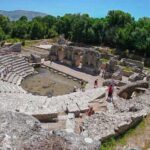
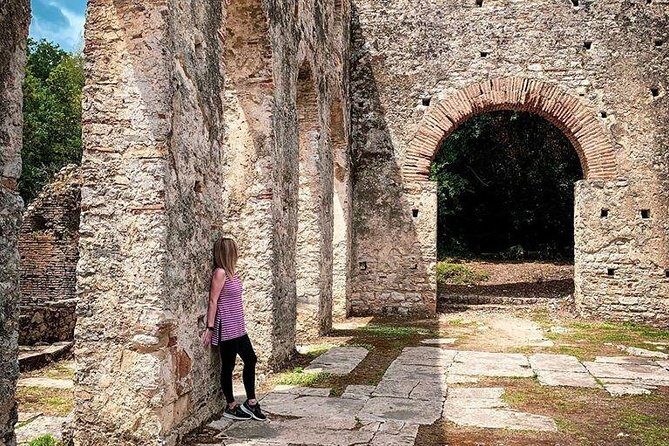
Day 1 starts with Butrint National Park. This is one of Albania’s best-known archaeological areas, and it’s a UNESCO site tied to the country’s earliest UNESCO listing. What you should expect isn’t just “ruins in a field.” The real magic is how the archaeological layers sit inside a park setting, so the landscape is part of the experience.
You’ll get about an hour here, and the admission ticket is included, which saves you time at the gate. For a short tour, that hour is a good length. It’s long enough to get oriented, see the most important remains, and feel the place rather than sprinting through.
Possible downside: an hour is still an hour. If you’re the type who loves reading every sign and taking slow photos, you may wish you had more time. But for a three-day route that also includes Gjirokastër and Berat, this is the right kind of “taste plus context” stop.
Sarandë and the Blue Eye: sea views, then a spring that stays icy cold
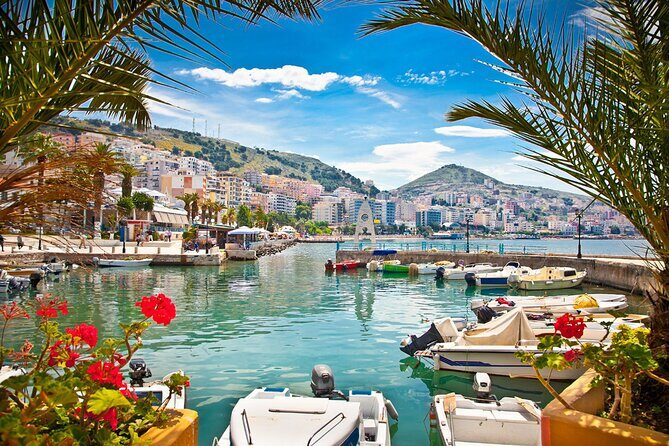
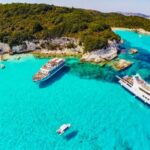
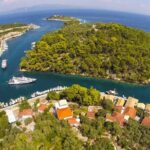
After Butrint, you head toward Sarandë, often described as the pearl of the Albanian Riviera. This stop is about an hour, and you don’t need an entry ticket. What makes Sarandë worth a quick visit is the setting: it sits in a natural bay with views toward Corfu, and the area is known for a long stretch of sunny weather.
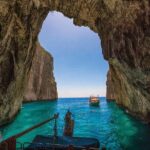
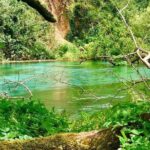
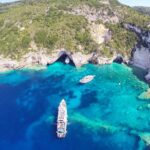
Then comes one of the stops people talk about most: the Blue Eye. This isn’t a museum stop. It’s a visit to a natural water spring surrounded by evergreen trees, fed from Mali i Gjere. The details that make it stand out are the cold and the depth—water that stays around 10°C and a source depth divers have reached around 50 meters.
You’ll also have about an hour for the Blue Eye, and the admission ticket is included. In practical terms, plan for cool air around the water and for footing near natural viewing areas. Even if you don’t do anything beyond standing and staring (totally allowed as a hobby), the contrast is the point: saltwater views earlier in the day, then this concentrated burst of electric blue freshness.
Gjirokastër Stone City: walking streets that feel like fortresses
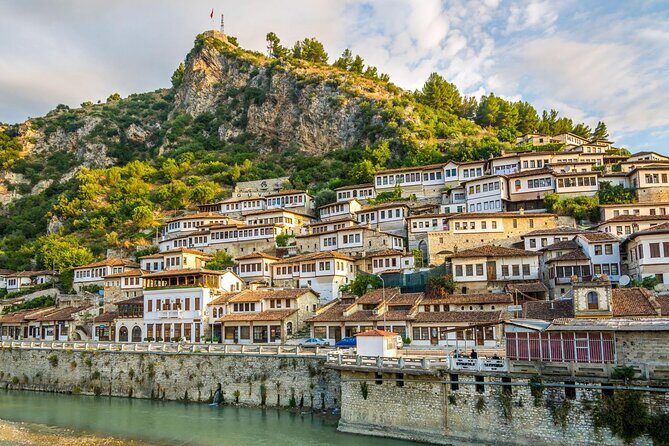
Day 2 is all about Gjirokastër, UNESCO-listed as the Stone City. The town sits in southern Albania on the eastern side of Mali i Gjere, and the architecture tells you why people call it a fortified place. Houses feel like small fortresses, layered up along steep slopes, so when you walk the streets, you’re always moving through a defense-like maze.
You’ll spend about an hour in Gjirokastër as a general town visit. Admission here is free, which is nice because it lets your time focus on streets and viewpoints rather than ticket logistics. This first pass is the orientation phase, and it sets you up to enjoy what’s inside the castle later.
If Berat is about stacked windows, Gjirokastër is about stacked stone life. It’s the kind of place where you understand why a home used to be designed for strength, not just style.
Gjirokastër Castle, the Bazaar, and Skenduli House
After you get your bearings, the schedule turns up the “see it up close” factor. You’ll visit Gjirokastër Castle, with an included admission ticket. The castle is tied to the city’s origins and is described as built in the 4th century A.D., with the site known for being one of the best-preserved medieval towns in the Balkans.
You’ll have about an hour at the castle. That time is long enough to get views over the area and understand how the town fits around defensive walls. Still, it’s not a full-day hike—so go in ready to choose. If you want the best photos, head for viewpoints early.
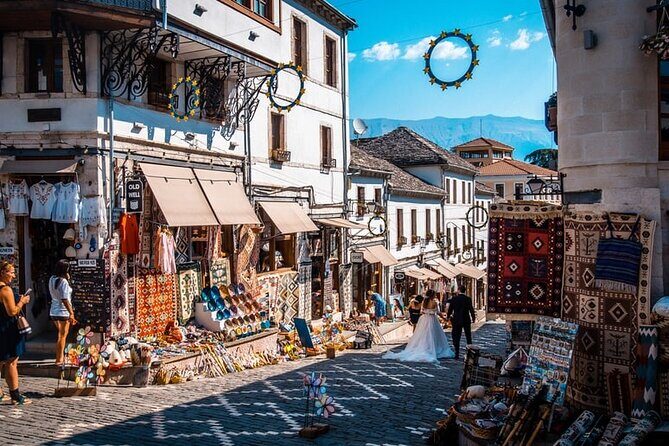
Next is the Gjirokastër Bazaar, where you’ll walk the medieval lanes for about two hours. This part is free and focuses on the feel of the old town: narrow stone streets and handmade crafts. If you like buying small local items, this is where you’ll see more than the usual tourist trinkets.
Finally, there’s Skenduli House, one of the best-preserved homes in Gjirokastër. You get about 30 minutes, and admission is included. A house visit is useful on this kind of architecture tour because it turns “pretty streets” into “how people actually lived.” Even if you’re not a history deep-reader, preserved interiors help your brain connect the town layout to real daily life.

Berat’s 1001 windows: castle walls, living neighborhoods, and Onufri’s red color
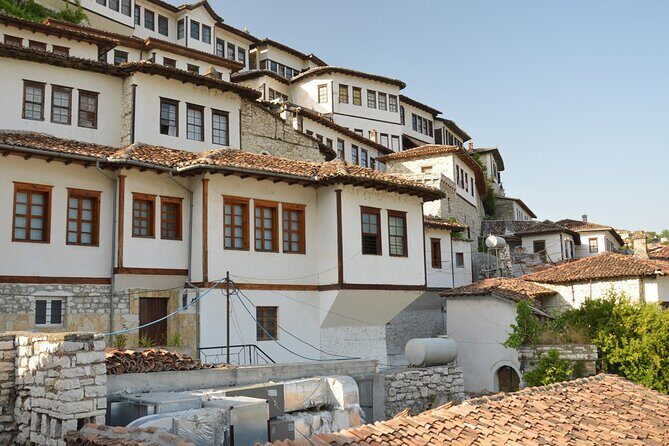
Day 3 begins with Berat, UNESCO-listed as the town of 1001 windows. The nickname comes from the way the medieval houses face the valley with windows appearing stacked on top of each other. What I’d use this day for is the experience of walking upward and downward through old neighborhoods where the view keeps changing.
You’ll have about an hour in Berat and the stop is free. The city traces back to early Illyrian settlement periods and later became a castle city known as Antipatrea. Today, what makes Berat feel real is that residents still live inside the castle walls.
From there, you visit Berat Castle. The time listed is very short—about a minute—with admission included. In other words, don’t expect a long fortress tour here. This stop is likely meant for a quick highlight and photo moment rather than a full walkthrough.
You’ll then visit the National Iconographic Museum Onufri, about 30 minutes with admission included. Berat is connected to Onufri, a painter associated with churches across the Balkans. The standout detail provided is his reddish color, described as difficult to imitate. Even if you’re not into icon painting, a museum stop like this gives you cultural texture beyond architecture.
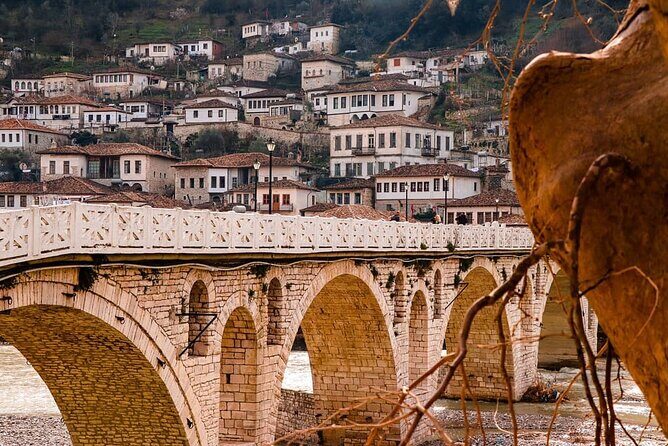
To wrap up, you’ll see Gorica Bridge and the surrounding Gorica neighborhood area. The time is about 30 minutes, and it’s free. It’s a good final stroll before heading to Tirana, because the bridge gives you a natural stopping point and a sense of how the town spans its terrain.
Price and value: what your $962.54 buys you in real terms
At $962.54 per person, this isn’t a budget day trip. But it’s also not just “you pay for a guide.” The value comes from the big bundled items.
Included are ferry tickets from Corfu, port pickup, private transport, a professional tour leader, and hotel stays with breakfast in 3-star hotels across the night(s). Also included are entry tickets for the sights you visit, plus tourist and road taxes, petrol, and hotel drop-off in Tirana.
When you add those together, the price starts to make sense for a route that would be hard to assemble on your own—especially the ferry plus guided connections plus ticketed UNESCO stops.
What’s not included is the obvious stuff: lunch, dinners, drinks, snacks, and personal spending. That means you should plan to pay for meals separately each day. If you like buying pastries at stops or sitting for long lunches, this tour will cost a bit more than the base price.
Single travelers should note there’s a single room option with an extra charge of 35 euros per night in 3-star accommodation. If you’re traveling solo and want privacy, plan for that cost up front.
Logistics that can shape your experience (and how to handle them)
This tour has a schedule designed for a three-day sweep, and that means days can feel full. You’ll do a mix of walking town streets, short museum/monument visits, and longer vehicle transfers between regions.
My advice: pack for movement. Wear comfortable walking shoes with good grip. Keep a light layer handy because natural sites near water can feel cooler than the inland towns.
You’ll also want to keep your expectations realistic about time at each stop. The tour is generous with context, but it doesn’t claim it will let you linger for hours at every viewpoint. If you want a slow travel pace, you’ll likely come away wishing you’d added an extra day in one of these towns.
Finally, the experience requires good weather. If conditions are rough, it can affect the day’s flow. That’s not a reason to skip it, but it is a reminder to keep your trip flexible when possible.
Who this tour suits best
This is a great fit if you want a high-impact route across southern Albania without managing transport between stops.
You’ll likely enjoy it if:
- you’re on a limited schedule but still want UNESCO coverage (Butrint, Gjirokastër, Berat)
- you like guided context, then independent wandering afterward
- you prefer private transport and a small group (max 10)
You might want to look for something else if you:
- want lots of free time in each town
- travel with a strict focus on one single site
- don’t want to budget for meals beyond breakfast
Should you book the Corfu to Tirana 3 UNESCO sites tour?
If your goal is to see three UNESCO highlights in three days, plus the Blue Eye and Sarandë, this tour is a strong value choice. The ferry and port pickup alone remove a chunk of stress, and the combination of architecture (Gjirokastër and Berat) with archaeological remains (Butrint) keeps the days from feeling repetitive.
Book it if you like structured sightseeing with enough freedom to enjoy streets and viewpoints. Skip it if you want a slow, single-town vacation. For most people trying to make the most of a short window, this is the kind of route that gives you memories fast—and then makes you want to return.
FAQ
What UNESCO sites are included?
Butrint National Park, Gjirokastër, and Berat are included as the three UNESCO sites on this tour.
How long is the tour?
The tour is listed as 3 days (approximately).
Where does the tour start and end?
It starts at Corfu Port Authority Company in Corfu and ends with hotel drop-off in Tirana.
Is the ferry from Corfu included?
Yes. Ferry tickets from Corfu are included, and you’ll be picked up at the port when your ferry arrives.
How many travelers are in the group?
The tour has a maximum of 10 travelers.
Are entry tickets included?
Entry tickets are included for the sites that are listed as will be visited.
What meals are included?
Breakfast is included for two mornings (labeled as BB with breakfast for overnights).
Are lunch and dinner included?
No. Lunches, dinners, drinks, and snacks are not included.
Can I book a single room?
Yes, single room occupancy is possible for a 35 euros extra charge per night per person in 3-star hotel accommodation.
What if the weather is poor?
The experience requires good weather. If it’s canceled due to poor weather, you’ll be offered a different date or a full refund.
Is the experience refundable if I cancel?
This experience is non-refundable and cannot be changed for any reason.